What Drives the Cost of Crop Insurance in NZ?
Crop insurance premiums in New Zealand are calculated based on a combination of factors that reflect the specific risk profile of each growing operation. Understanding these factors can help you anticipate what you might pay — and identify ways to reduce your premium.
Key factors in crop insurance pricing:
- **Crop type and value per hectare**: High-value crops like kiwifruit, grapes, and stone fruit attract higher premiums in dollar terms than lower-value arable crops, even at similar percentage rates.
- **Region and microclimate**: Growers in frost-prone valleys (Central Otago, Marlborough, Hawke's Bay) or cyclone-exposed coastal areas pay more than those in more sheltered locations.
- **Coverage level**: Named perils cover is cheaper than multi-peril cover. Revenue protection is the most expensive but provides the broadest guarantee.
- **Sum insured**: Whether you insure at input cost, expected yield value, or market value affects both premium and claims outcome.
- **Claims history**: Growers with recent claims will pay more. A clean history can earn lower rates over time.
- **Infrastructure**: Hail netting, frost protection systems and good on-farm biosecurity can all attract underwriting discounts.
- **Deductible/excess**: A higher excess reduces your premium but increases your out-of-pocket exposure on any claim.
2026 Indicative Premium Ranges by Crop
The following are indicative annual premium ranges based on typical NZ commercial operations in 2026. Actual premiums will vary based on the factors above. These are guides only — use our quote form for a personalised figure.
Kiwifruit (Gold and Green)
- Small orchard (under 5 ha): $2,500 – $6,000/year
- Medium orchard (5–15 ha): $6,000 – $14,000/year
- Large commercial (15+ ha): $14,000 – $35,000+/year
Named perils cover only (hail, frost, wind): approximately 1.5–3.5% of insured value per annum. Gold variety orchards often attract lower rates due to better yield predictability.
Apples and Pears
- Small orchard (under 10 ha): $1,800 – $5,000/year
- Medium orchard (10–30 ha): $5,000 – $14,000/year
- Large operation (30+ ha): $14,000 – $30,000+/year
Hail-only cover (most popular for pip fruit): typically 0.8–2% of insured value. Orchards with hail nets installed can see discounts of 25–50%.
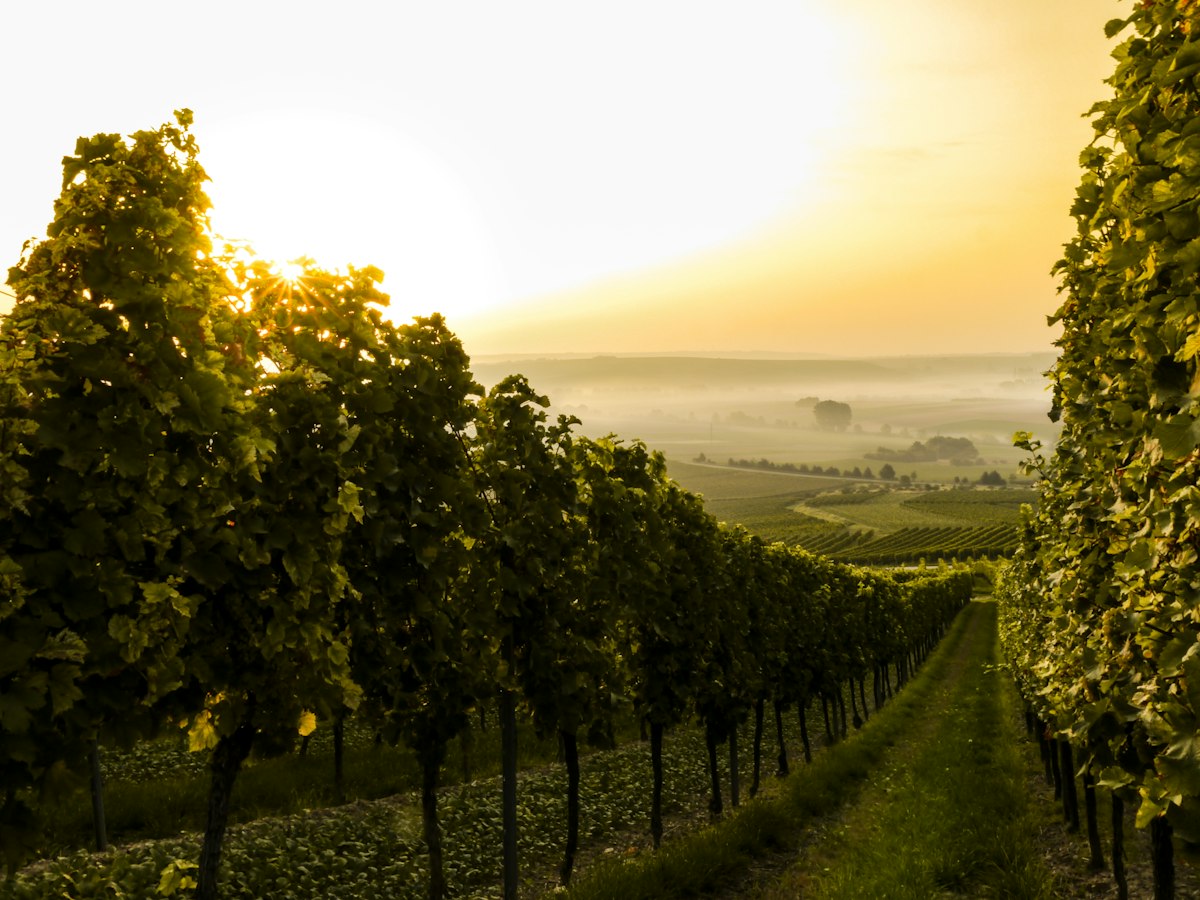
Grapes and Vineyards
- Small vineyard (under 10 ha): $2,000 – $6,000/year
- Medium vineyard (10–30 ha): $6,000 – $18,000/year
- Large operation (30+ ha): $18,000 – $45,000+/year
Frost is the dominant premium driver for most Marlborough operations. Frost cover can account for 60–70% of total premium cost.
Wheat, Barley and Arable Grain
- Small arable farm (under 200 ha in crop): $800 – $3,000/year
- Medium farm (200–500 ha): $3,000 – $9,000/year
- Large operation (500+ ha): $9,000 – $20,000+/year
Arable cover is generally the most affordable crop insurance in NZ in per-hectare terms. Multi-peril cover is more commonly sought by larger Canterbury and Southland operations.
Stone Fruit (Cherries, Peaches, Nectarines, Plums)
- Small orchard: $1,500 – $5,000/year
- Commercial orchard: $5,000 – $16,000/year
Cherries attract the highest premiums among stone fruit due to their high value per hectare and vulnerability to rain damage at harvest.
Hops
- Small hop garden (under 10 ha): $1,200 – $4,000/year
- Commercial hop garden: $4,000 – $12,000/year
Vegetables
- Small operation (under 20 ha): $700 – $3,000/year
- Large commercial: $3,000 – $12,000/year
Has the Cost of Crop Insurance Increased Recently?
Yes. NZ crop insurance premiums have trended upward in recent seasons, driven by:
- **Global reinsurance cost increases**: Following major international weather events (Turkey earthquake, Australian floods, NZ Cyclone Gabrielle), reinsurers increased rates, which flows through to direct premium pricing.
- **Increased loss frequency in NZ**: Several consecutive seasons with significant weather events have pushed NZ insurer loss ratios higher.
- **Labour and input cost inflation**: Higher crop values mean higher sums insured and higher premiums in dollar terms even at the same rate.
Typical premium increases in the 2024–2026 period have ranged from 10–30% depending on crop type and region. Growers in areas impacted by Cyclone Gabrielle have seen more significant adjustments.
How to Reduce Your Crop Insurance Premium
1. Install hail netting: The most effective way to reduce hail premiums for orchardists. Many insurers offer 25–50% discounts for certified hail net installations.
2. Invest in frost protection: Active frost protection (helicopters, sprinklers, wind machines) is recognised by insurers and can reduce frost cover premiums.
3. Choose a higher excess: Accepting a higher deductible on small claims reduces your premium while maintaining protection against catastrophic loss.
4. Maintain a clean claims history: A sustained period without claims builds goodwill with your insurer and can unlock lower rates at renewal.
5. Use a specialist broker: Brokers who access multiple markets simultaneously can identify the most competitive pricing available for your specific risk profile.
Getting a Personalised Quote
The only way to know what you will actually pay is to request quotes. Our specialist brokers will approach FMG, Gallagher, Aon, Farmcover, and other relevant markets on your behalf and present you with a comparison. The service is completely free to NZ growers.